Plastics industry Tools and processes under control
Industry-specific ERP and MES software for efficient processes in plastics processing.
Challenges in the plastics processing industry
Hardly any other material is as versatile as plastic. It is used in automotive and aircraft construction, as well as in the manufacture of medical devices and electronic housings. The demand for this material is so high that the requirements placed on processing companies are also rising rapidly. Fluctuating raw material prices, increasing energy, delivery, and quality requirements, and the growing demand for customized products challenge the industry on a daily basis – regardless of whether companies produce in series or specialize in variant manufacturing.
Intelligently control processes
Whether injection molding, extrusion, or thermoforming: plastic processing methods are demanding and require precise interaction between machines, tools, and personnel. Series manufacturers are required to ensure consistently high quality for large quantities, while variant manufacturers must respond flexibly to changing requirements. A supplier for aircraft construction, for example, produces plastic parts with tight tolerances. They must document every shot – including cycle time, material batch, and tool used. ERP and MES solutions help to control processes transparently, avoid downtime, and make optimal use of resources.

Tool management
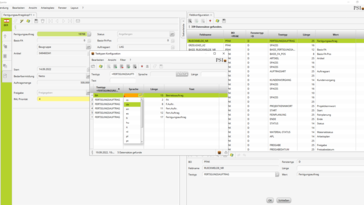
Tools and molds are key pieces of equipment in plastics processing. Companies need to know at all times which ones are available, where they are located, and when maintenance is due.
Resource management
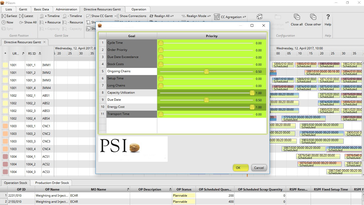
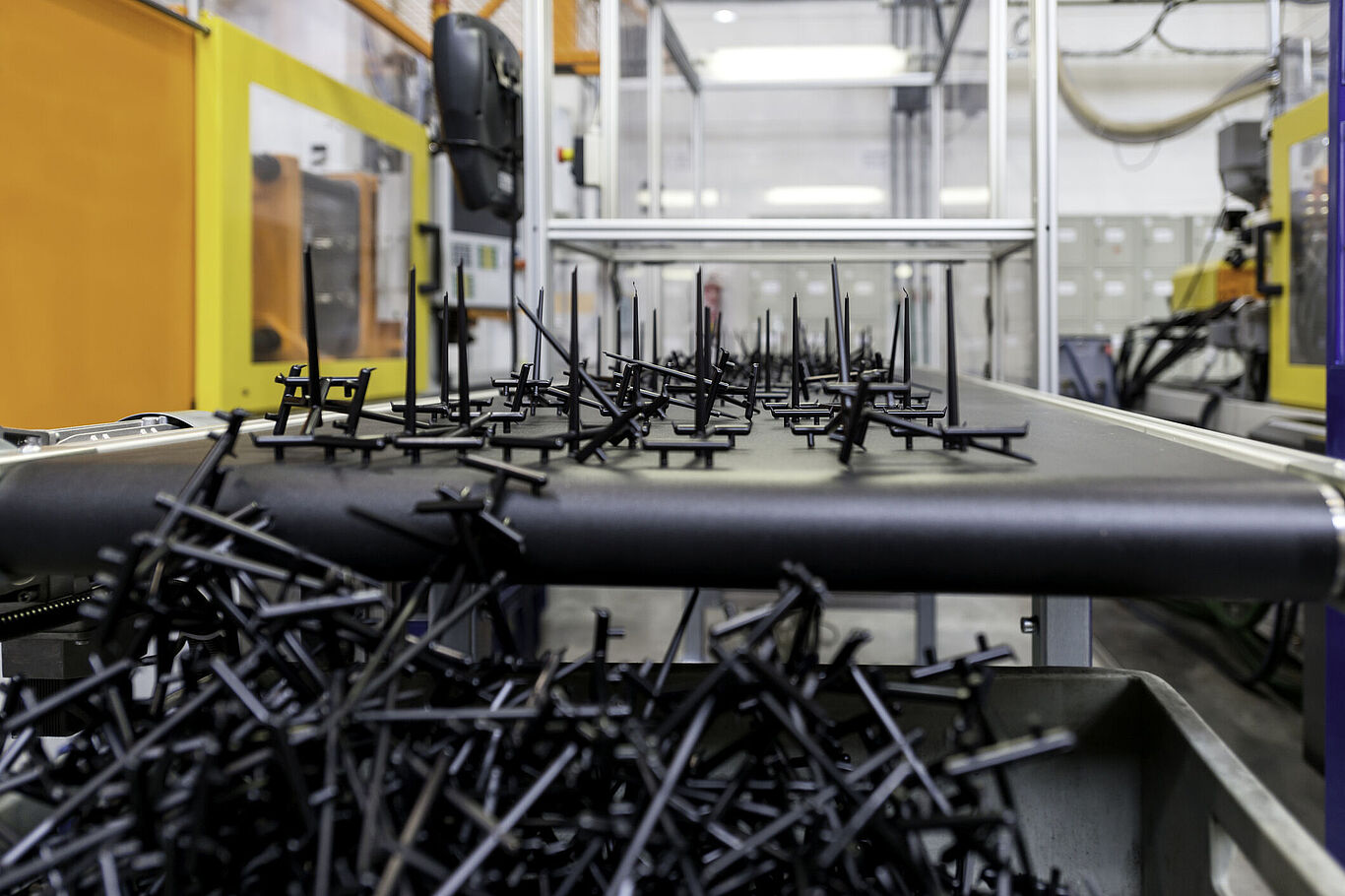
Materials, tools, and capacities require precise coordination. Well-thought-out scheduling helps to use resources efficiently and avoid waste.
Traceability
Whether for OEMs or testing authorities, plastics processors often need to be able to prove how a product was made. Traceability builds trust and fulfills contractual requirements.
ERP for the plastics industry
PSIpenta/ERP allows you to centrally control all relevant plastic processing processes – from order management to tool management. Variant diversity and flexible batch sizes can be mapped just as easily as complex scheduling requirements. Functions such as adaptive planning and delivery date determination, as well as end-to-end batch tracking, support a high level of planning reliability and quality.
MES for the plastics industry
In plastics processing, the uniform collection and analysis of process and energy data across different machine types plays a central role. PSIpenta/MES is therefore process-driven and supports companies in controlling production processes in a stable, energy-efficient, and transparent manner.
Together with PSIpenta/ERP, this creates an integrated solution that brings together real-time data from machines, tools, and material flows. This allows process parameters to be reliably monitored, deviations to be detected early, and material movements to be controlled on a workflow basis – for stable quality levels, efficient use of resources, and smooth production.
Productivity improvements
Numerous companies in the plastics industry are measurably increasing their efficiency with PSIpenta, e.g.:
higher overall equipment effectiveness (OEE)
Increased efficiency through intelligent data usage
Shorter setup times (e.g., mold/die changes)