
The debate surrounding artificial intelligence (AI) remains very active. At the same time, the technology itself is not always clearly defined, and the term is used in a variety of contexts. In the field of warehouse management, AI can be understood as an approach to solving complex optimization problems using machine-learning models alongside or instead of traditional algorithms.
With the PSIwms AI platform, we combine the warehouse management functionality of PSIwms with machine-learning models to optimize warehouse processes. These models can be further developed using digital twin technology, which involves creating a digital representation of the actual warehouse to provide a suitable environment for generating training data and testing different scenarios.
What is an intelligent warehouse?
The term “artificial intelligence” is now used in the media in almost every conceivable context and has, to some extent, lost its original meaning. So, when can we speak of an intelligent warehouse?
An advanced IT system in the form of a WMS undoubtedly provides the foundation. When this system is supported by algorithms that optimize warehouse processes, it is already reasonable to describe the warehouse as intelligent. However, a truly intelligent warehouse is one in which the “brain” – the WMS – can adapt to changing conditions.
In such an environment, AI algorithms adjust the parameters of logistics processes, such as order picking, in response to dynamic changes in order profiles, the availability of stored goods, or the number of employees.
How does the PSIwms AI Warehouse Management System work?
To explain how PSIwms AI works in practice, we first need to look at how reinforcement-learning (RL) algorithms are developed. These algorithms are designed to learn how to solve a specific problem by interacting with an environment. A learning entity, known as an agent, acquires knowledge about optimal actions – for example, how to adjust the parameters of logistics processes – through repeated interactions with that environment.
The agent's objective is to maximize its reward, which, in a warehouse context, could mean minimizing the total time required to fulfil orders. This process is repeated hundreds of thousands of times until the predefined objectives are achieved.
In our approach, the agent interacts with a simulated warehouse connected to a copy of the WMS. The simulation can run faster than real time. For example, one minute of simulation may correspond to one hour of activity in the simulated warehouse. However, the achievable acceleration is subject to certain limitations, including the computing capacity of the server on which the simulation runs.
Working with enormous datasets presents a variety of challenges. Developing AI and creating an intelligent warehouse require advanced technological infrastructure and significant computing power.
The PSIwms AI project is still under development. Nevertheless, a comprehensive conceptual and technical framework has already been established, providing a basis for the continued development of algorithms capable of taking a holistic view of warehouse operations and optimizing the processes that take place within them.
The growing popularity of AI and its increasingly widespread applications are making the technology more accessible. At the same time, advances in computing technology may help reduce the cost of the computing power required. As a result, reinforcement-learning models may be trained in significantly less time in the future – potentially within months or even days.
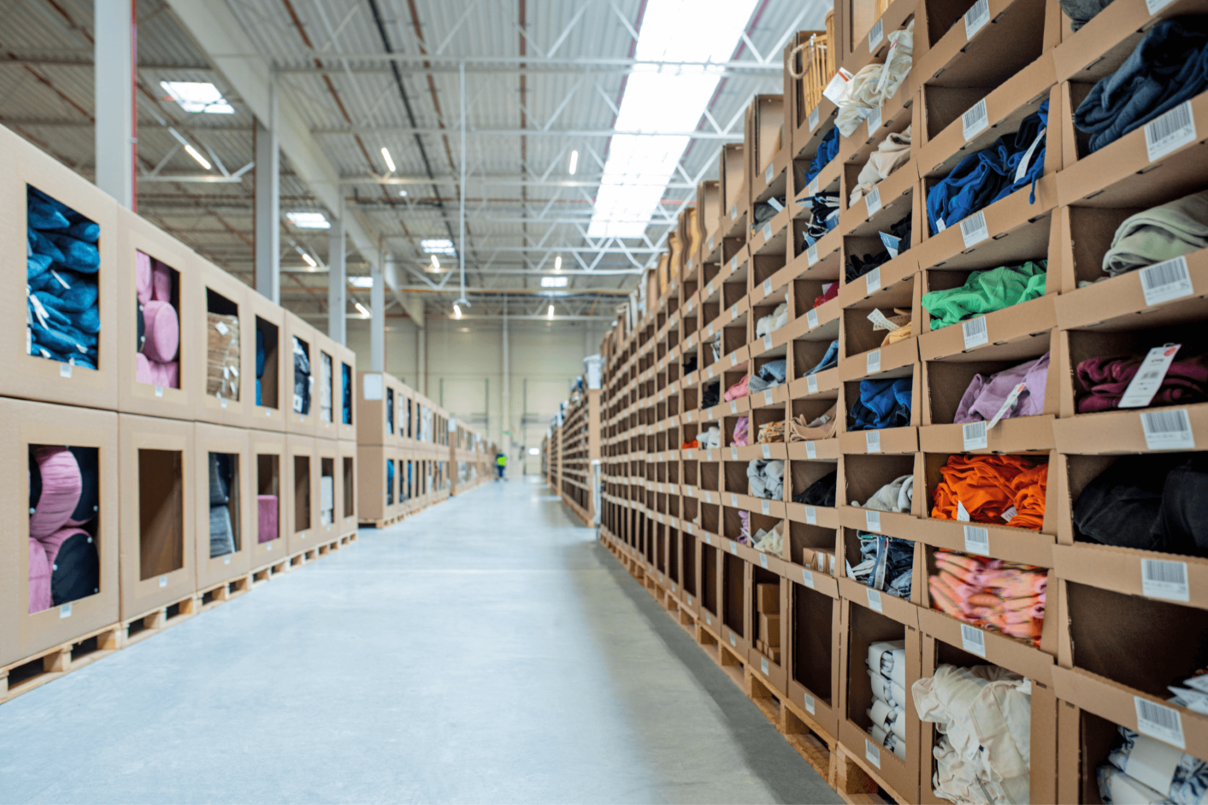
An intelligent WMS at LPP
Planning logistics operations is a complex task because of their dynamic and variable nature. One of the key warehouse operations for efficient logistics fulfilment is order picking. This is particularly important in the e-commerce sector, which is characterized by relatively few items per order and a wide variety of stock-keeping units (SKUs).
Order picking is also one of the main cost drivers in warehouse operations, accounting for more than one-third of warehouse logistics costs.
The pilot project for implementing PSIwms AI was carried out in the warehouses of our partner, LPP. Operating through a global supply chain, the company distributes more than one hundred million clothing items worldwide each year and is the largest apparel company in Central and Eastern Europe.
The growth of online sales has prompted many companies to automate their warehouse processes to maintain high quality, ensure on-time shipments, and remain competitive.
When implementing the intelligent warehouse concept at LPP, we focused on reducing the working time of order pickers and, consequently, minimizing the overall cost of order picking. The use of AI-based algorithms enabled us to address the Traveling Salesperson Problem (TSP), reducing picking routes by approximately 30% and increasing the efficiency of outbound processes by a double-digit percentage.
Further technology development
In subsequent development stages, we introduced a collection of algorithms called BatchAI. This suite provides multistage optimization of goods reservation and order-picking processes.
First, it optimizes the selection of orders to be grouped into batches – groups of orders processed simultaneously. Second, it uses clustering techniques to improve the efficiency of goods reservation. Finally, it optimizes picking routes using the CVRP algorithm (Capacitated Vehicle Routing Problem).
It is worth emphasizing that CVRP optimizes multiple order-picking routes while taking the capacity of picking carts into account. In the BatchAI approach, the routes of all order pickers are optimized together, allowing the system to account for their combined operational requirements.
Further software development increased process efficiency at LPP by an additional 11%. Combined with the earlier improvement achieved through the TSP approach, the PSIwms AI algorithms delivered a reported overall efficiency increase of 23%.
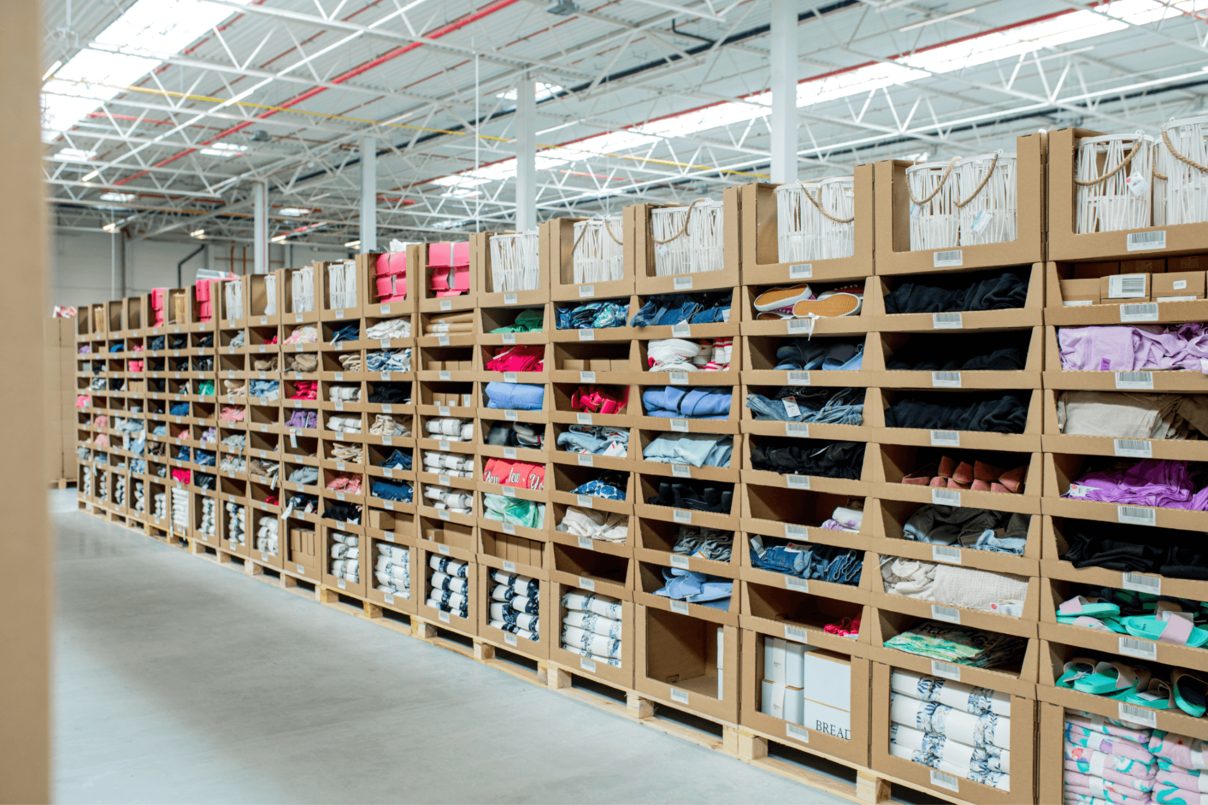
Automation, process optimization, and analytics
Another important warehouse process analyzed using the PSIwms AI platform is the placement and storage of goods. With BatchAI, improved inventory management through the optimal distribution of goods throughout the warehouse helps reduce picking times.
The intelligent warehouse concept enabled by PSIwms AI can also improve the flow of goods within a facility, including by identifying bottlenecks. In addition, users can see which optimization recommendations the system proposes.
Having a digital twin of the warehouse makes it possible to train machine-learning algorithms. Changes in the physical warehouse can be reflected in its digital counterpart and taken into account during analysis.
Another advantage of this warehouse solution is the ability to perform manual “what-if” analyses, which customers can carry out independently. The digital twin is connected to a copy of the production Warehouse Management System (WMS), creating a kind of sandbox environment. Within this environment, analysts and consultants can safely test different operational scenarios without directly affecting the real warehouse.
The future of AI-based software
Artificial intelligence is transforming the present and emerging as an important area of investment for the future. The future of logistics powered by the PSIwms AI system could look as follows: company warehouses will become fully automated, including the processes involved in preparing e-commerce orders.
The WMS, equipped with AI algorithms, will act as the brain coordinating warehouse operations and controlling autonomous robots. Hundreds of simulations could run alongside the actual operation of the intelligent warehouse. Using live production data, these simulations would aim to identify further opportunities to improve operational efficiency and support the ongoing refinement and retraining of machine-learning models.