![[Translate to English:]](/fileadmin/_processed_/6/e/csm_AdobeStock_389649117-edit_57e3e90c71.jpg "[Translate to English:]")
Logistics companies face continuously rising demands: customers expect fast delivery times and full transparency, markets are shaped by fluctuating demand, and warehouse structures are becoming increasingly automated and complex. These pressures are further intensified by cost constraints and a persistent shortage of qualified personnel. In this context, it becomes clear that efficiency can no longer be achieved through isolated optimizations alone, but requires seamless, end-to-end digital orchestration of all processes.
Many companies still equate digital transformation with the mere introduction of new technologies. In reality, it is about fundamentally rethinking, simplifying, connecting, and automating existing processes. In intralogistics, the warehouse management system (WMS) plays a pivotal role in this transformation. As the central IT system for coordinating, controlling, and optimizing all warehouse operations, it forms the digital backbone of modern logistics infrastructures.
Technological advances in areas such as robotics and artificial intelligence are fundamentally reshaping the demands placed on WMS solutions. Modern systems go far beyond traditional management functions: they process real-time data from multiple sources, integrate seamlessly with automated subsystems, and enable intelligent, flexible control of complex process chains.
These developments introduce new requirements for WMS platforms. They must be scalable, cloud-ready, and easily integrable into existing IT landscapes. Only when warehouse operations, IT systems, and automation technologies operate on a shared, data-driven foundation can digital transformation in intralogistics truly succeed.
No movement without data: 3 examples of how WMS enables automation:
- AGV and robotics control: Driverless transport systems and mobile robots receive precisely prioritized transport and movement orders directly from the WMS in real time.
- Dynamic process logic: The WMS digitally models all warehouse processes and manages replenishment, stock transfers, and picking through automated, rule-based control.
- Test automation: Process changes are simulated in advance through automated testing, ensuring no disruption to live operations.
Automation requires data – and the WMS delivers it
Increasing automation in intralogistics is fundamentally transforming warehouse processes. Driverless transport systems (AGVs), shuttle systems, and robotics are taking on an ever-growing range of tasks. However, their full potential can only be realized if they receive the right data every second. It is essential that all systems are not just technically connected but also logically integrated through a central data source.
A modern Warehouse Management System (WMS) digitally maps every process step, defines control logic for automated workflows, and ensures AGVs, robots, and conveyor systems know exactly what to do and when, through real-time communication. It manages process timing, prioritizes orders, controls transport routes, and synchronizes all systems involved across the entire material flow. As automation increases, so does the volume of data required to operate efficiently.
Data lakes - centralized repositories that store vast amounts of raw data in its original form - consolidate information from diverse sources. As the digital heart of the warehouse, the WMS not only coordinates all operational processes but also generates, processes, and transmits relevant process data in real time to higher-level systems such as data lakes.
Only when the WMS delivers precise information on movements, inventory, resources, and orders can data lakes provide a reliable foundation for advanced analysis, simulations, and AI-driven optimizations. Thus, the WMS serves not merely as an execution tool but as a vital data provider and integration platform.
AI in WMS is more than just a trend
AI is becoming increasingly vital in intralogistics, with more companies recognizing its potential and investing in AI technologies. A PSI study among logistics decision-makers in Germany and Poland highlights the growing urgency: 15% of respondents already use AI in their warehouses, while another 41% plan to implement it within the next three years.
of companies already use AI in their warehouses
of companies plan to introduce AI within 3 years
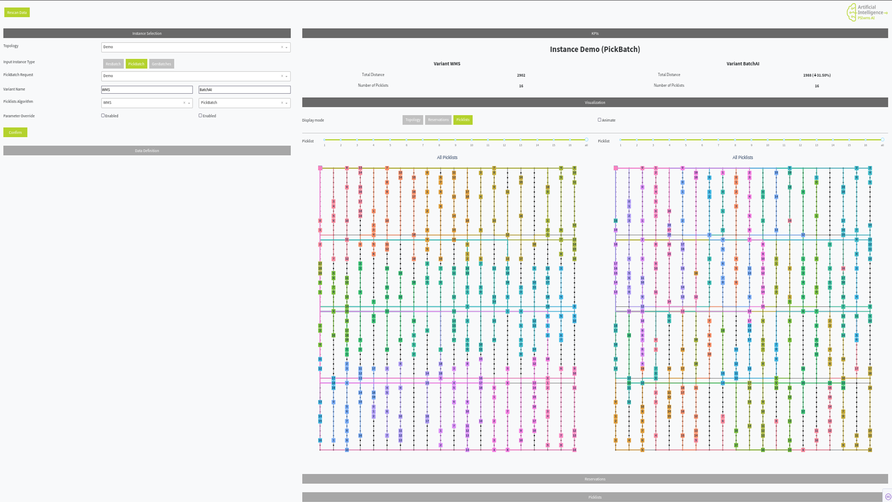
PSI addresses this trend with PSIwms AI, a solution that integrates AI functionalities directly into the warehouse management system. Unlike external AI tools that work with downstream data, PSIwms AI operates on real-time data generated during ongoing warehouse processes. This integration ensures a consistent data foundation and, more importantly, enables automated decision support within active operations.
Interested? Click here to read about the use case „Advantages of artificial intelligence in intralogistics”.

Preventing errors before they occur: Automated testing
In today’s dynamic warehouse environment, process adjustments, new requirements, and system enhancements have become the norm rather than the exception. Whether it’s integrating a new client, expanding storage areas, or connecting automation technologies, every change introduces complex dependencies within the system. This is where automated testing within the WMS plays a crucial role - as both an innovation accelerator and a safeguard.
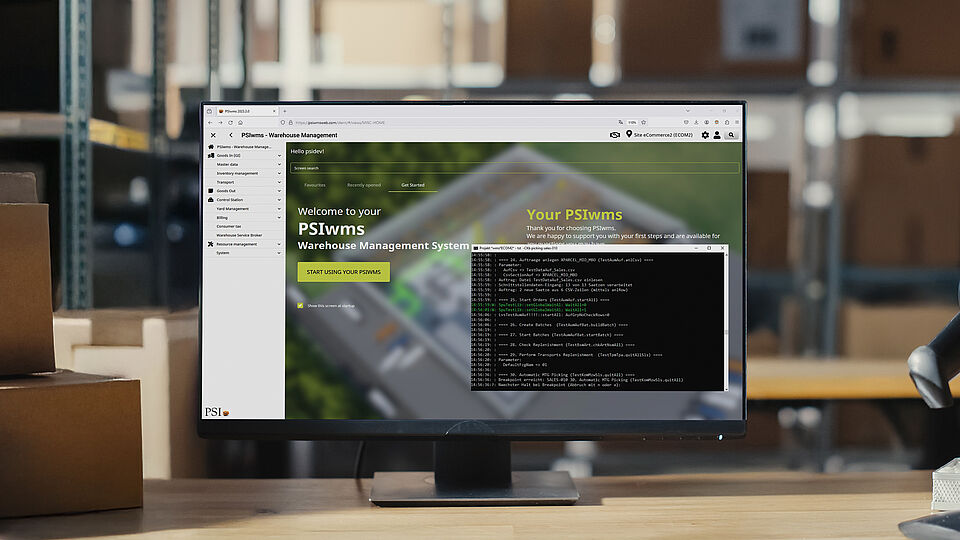
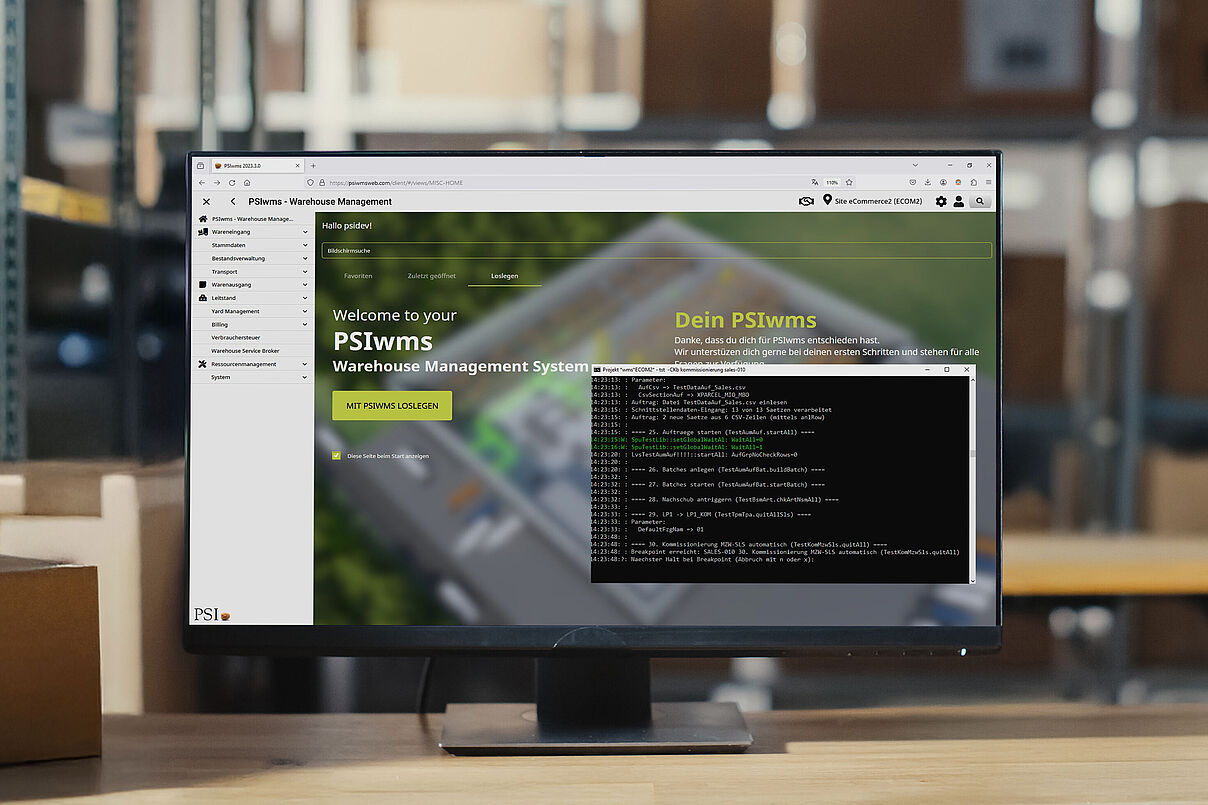
Modern WMS solutions like PSIwms feature integrated test frameworks that allow new configurations and process logic to be fully tested automatically without impacting ongoing operations. Instead of relying on manual checks or running test data through the live system, changes are simulated reliably in an isolated environment. This approach significantly increases security, reduces error sources, and prevents unexpected disruptions in daily business.
To the trend article „More routine, less risk: Automated testing in the warehouse”.
Conclusion: Competitiveness starts with WMS
The digital transformation of intralogistics hinges on the Warehouse Management System. Only a modern, data-driven WMS can unlock the full potential of key technologies like artificial intelligence and automation, delivering meaningful added value.
For decision-makers, it is crucial to choose scalable, flexibly configurable systems that provide not only operational stability but also seamlessly integrate future-oriented features such as automated testing and AI. Studies and market trends clearly indicate that many companies are already ahead, gaining measurable competitive advantages through strategic use of data-driven technologies. Investing now means securing both operational efficiency and the agility required for the warehouse of tomorrow.
Meet us at LogiMAT 2026: live demos for your intralogistics
We invite you to join us from March 24-26 for LogiMAT 2026 in Stuttgart. Under the motto "Passion for Details," we will be presenting our innovative solution portfolio. Experience live how our software optimizes your processes and connect directly with our experts.