Case Study Behind the scenes of automation: How PSIwms powers the ASMET Logistics Center
System replacement and integration with over a dozen systems and extensive warehouse automation.
Founded in 1986, ASMET is a leading manufacturer and supplier of fasteners for the construction, energy, petrochemical, agricultural, and automotive industries.
The company was looking for a WMS system that, in conjunction with an automated warehouse, would enable the management of over 100,000 stock items and the fulfillment of custom orders for clients, even in very small batches (orders are fulfilled starting from a single piece). A key element was the need to implement a system that would be able to monitor flows within the warehouse, optimize transport routes, and also allow for monitoring the process from the moment goods enter the warehouse stock, through the storage process, all the way to the delivery of the final product to the customer.
Challenges
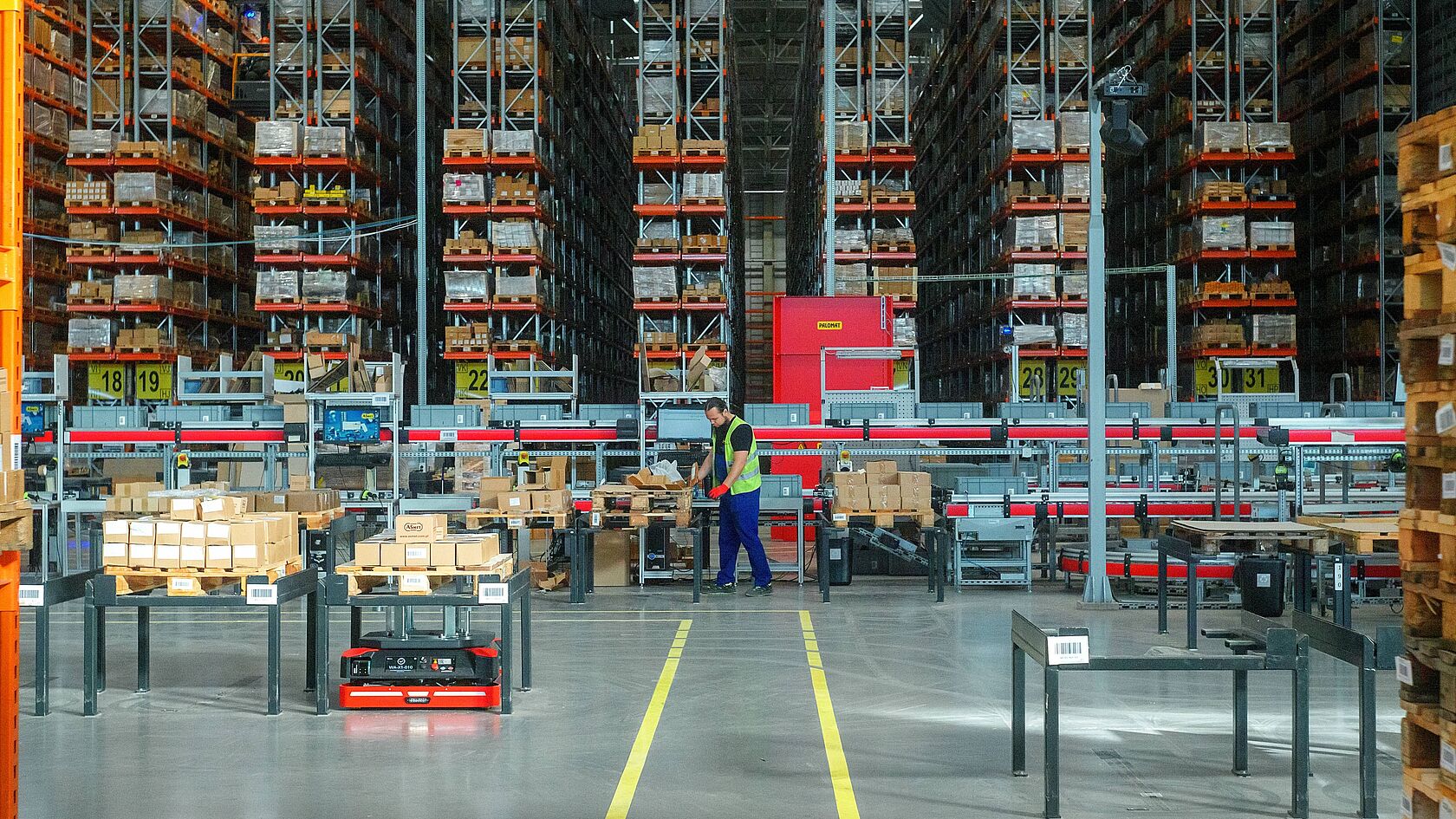
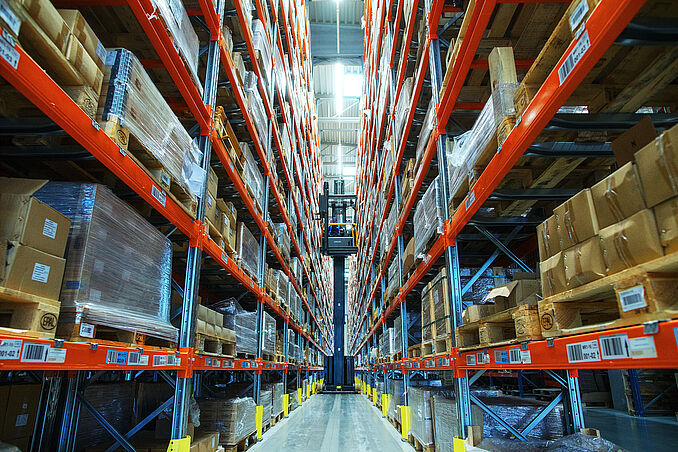
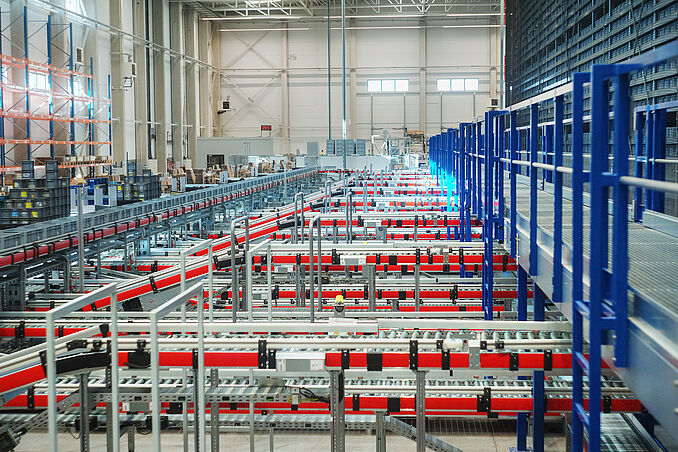
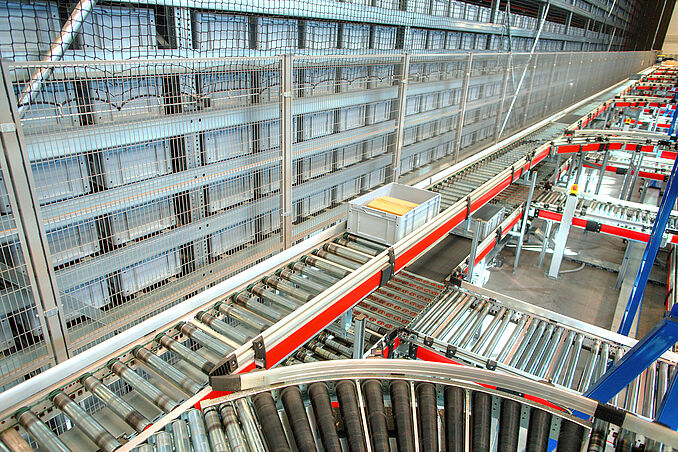
In carrying out the investment in the modern Moszna-Parcela Logistics Center, with a storage capacity of 20,000 tons of goods and a shuttle-type warehouse with a capacity of 80,000 containers, ASMET faced the challenge of managing complex logistics processes and effectively combining warehouse automation with manual operations. ASMET decided to implement a dedicated PSIwms system with the MFC (Material Flow Control) warehouse automation control module to improve operational efficiency and flexibility.
Number of stock items
Number of locations in the shuttle warehouse
Average order line fulfillment time
Intelligent integration - the foundation of a scalable logistics center
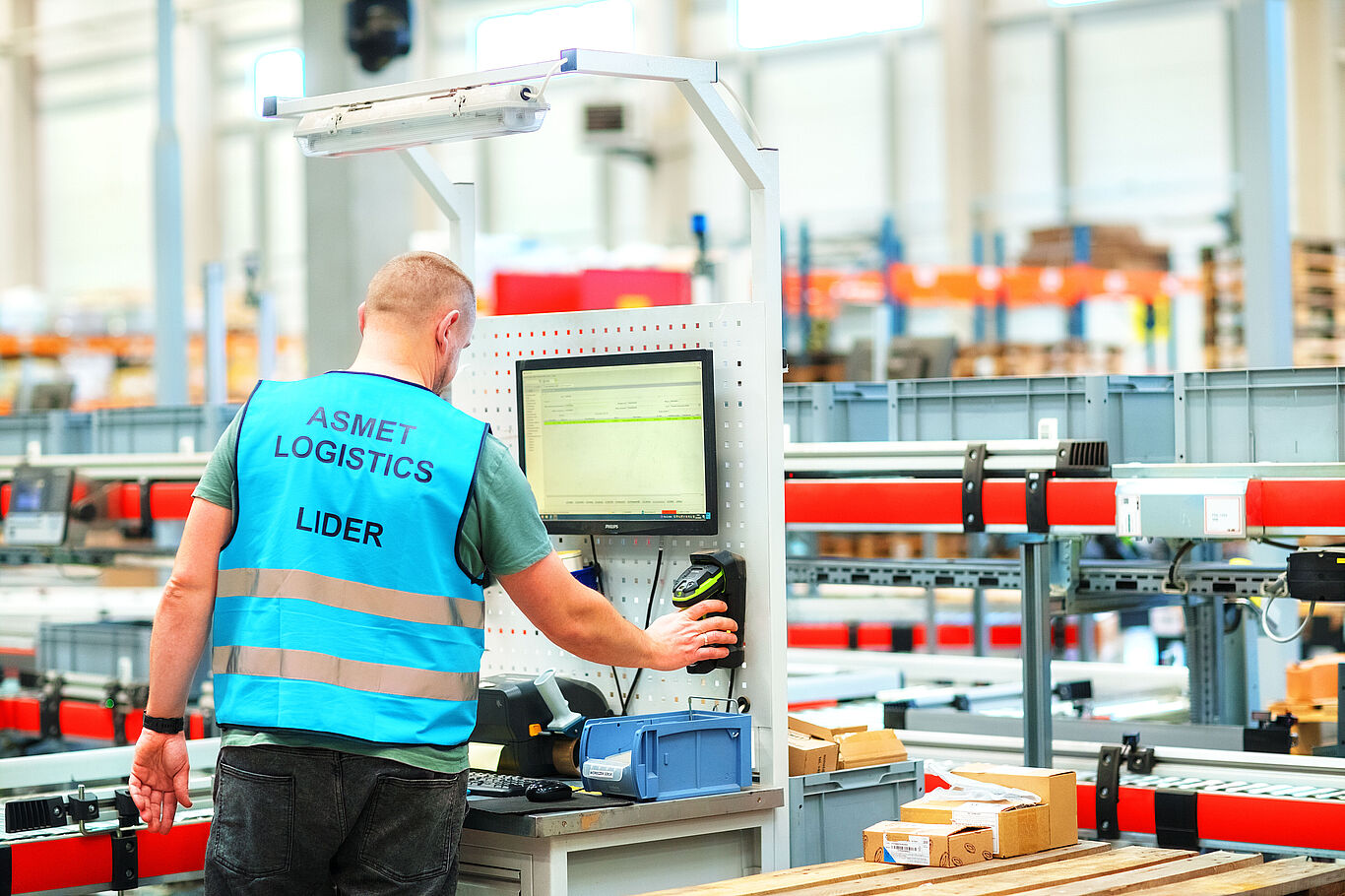
Another challenge was the development of warehouse automation and the need to integrate the WMS system with modern robots and devices supporting logistics operations. The key was to create a cohesive environment where the system manages the work of machines in real-time, coordinates the flow of goods, and ensures full process synchronization. As a result, the automation and WMS act as a single, integrated organism, increasing the efficiency and scalability of the logistics center.
We wanted to increase efficiency, shorten operation times, and make better use of warehouse space. The most difficult part for us was synchronizing the movement of the AGVs with the other processes so that the entire system would work smoothly and logically. And PSI provided that for us.
PSIwms system implementation
ASMET chose the PSIwms system, which, in conjunction with the MFC module, allows for the management of warehouse processes in a fully automated logistics center. The modern system was adapted to the specifics of the metal industry and the individual needs of ASMET's clients, enabling the handling of orders in various units of measure and the implementation of deliveries in a Kanban system.
The implementation of the WMS system began with intensive testing. The production launch took place in May 2020 after two months of SAT (Site Acceptance Tests). The ASMET team quickly learned the new system, appreciating the intuitiveness and ergonomics of PSIwms, which made the work of warehouse operators easier.
Implementation effects
Increased efficiency and process optimization
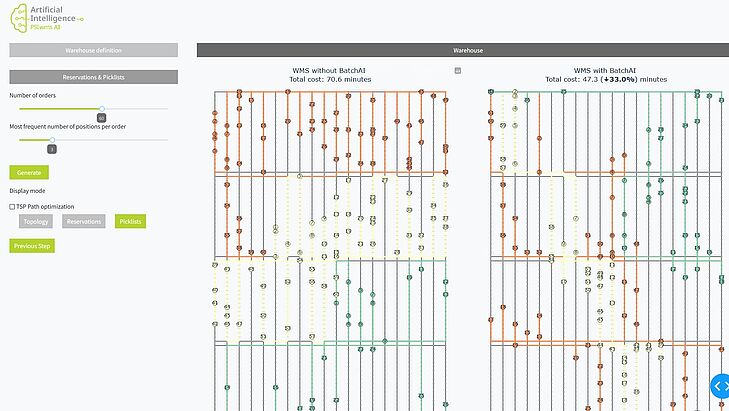
Thanks to the integration of the WMS system with warehouse automation, the logistics processes at the ASMET Logistics Center have become significantly more efficient. Controlling the flow of goods and using optimal put-away algorithms have streamlined inventory management and order picking processes.
Increase in warehouse process efficiency
Increase in order picking process efficiency
The right WMS system, properly prepared and implemented, is the foundation for us today, to which we can add further processes necessary for the continued development of our company. The collaboration with PSI has certainly given us a lot of self-confidence. It has helped us build a system today that I think can confidently compete with the biggest players in the fastener market, not only in Central and Eastern Europe but in all of Europe.

Warehouse automation
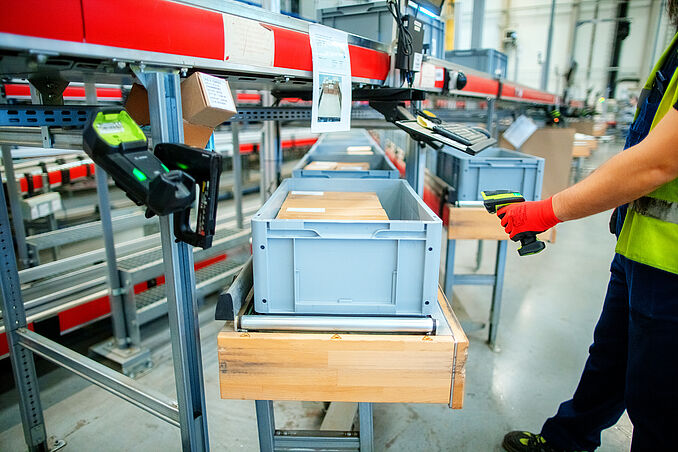
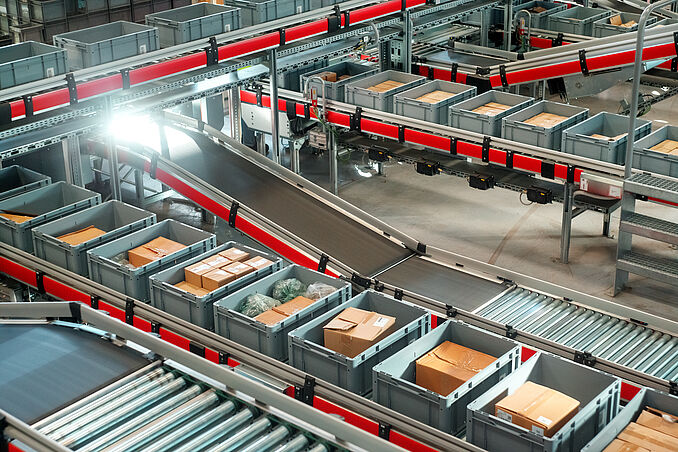
The PSImfc module is responsible for controlling the shuttle-type warehouse, managing transports, and automatic put-away. As a result, automatic and manual processes have been combined into a single, cohesive whole, which has increased operational flexibility and efficiency.
Adaptation to the needs of the metal industry
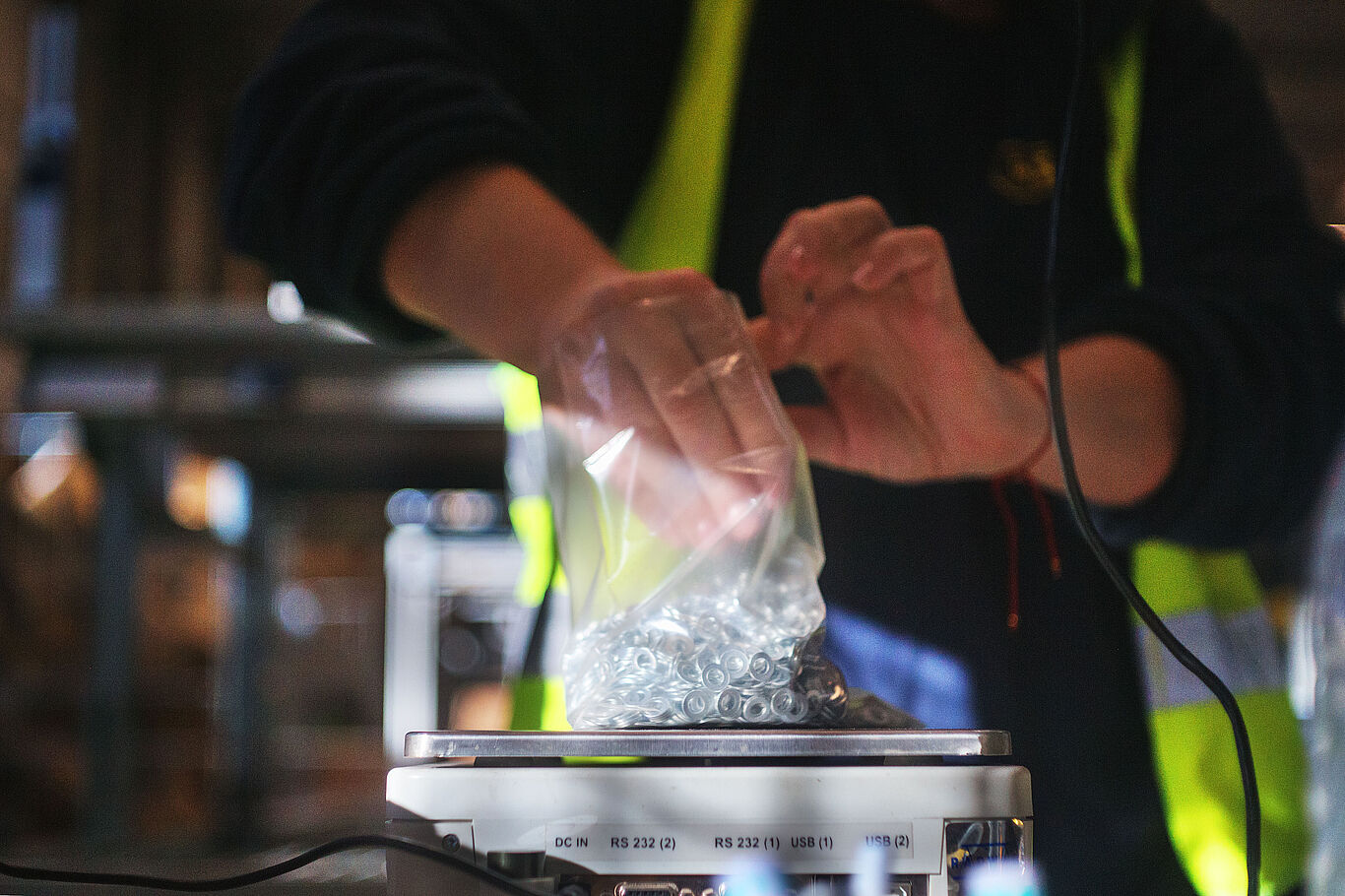
One of the challenges solved by PSIwms was handling orders in various units of measure, specific to the metal industry. The system enables the fulfillment of orders in the Kanban system and meets the requirements related to delivery flexibility.
Conclusion
The implementation of the PSIwms system along with the MFC module at the ASMET Logistics Center allowed the company to effectively combine warehouse automation with manual processes, which significantly improved operational efficiency and flexibility. Thanks to this, ASMET can better respond to the needs of its customers, including fulfilling orders in the Kanban system and delivering products in the appropriate units of measure.
The integration of the PSIwms system includes, among others:
- ERP System
- MFC System
- VNA Fleet
- Pick by Light
- Kanban Server
- Shipment management system
- Automatic courier line
- Automatic label generation
- Stretching systems
- AGV mobile robots