Case Study How SSM connects data and processes with PSIpenta/ERP and MES
Global manufacturing, centralized control: SSM connects three locations into a continuous system network with PSIpenta/ERP and MES.
For many years, SSM has relied on PSIpenta/ERP and MES to manage its manufacturing, logistics, and service processes across three continents. The consistent use of the system ensures consistent data, stable processes, and a high level of transparency between the plants in Switzerland, Italy, and China. With the migration to PSIpenta/ERP 10, the company deliberately moved closer to the ERP standard again – also because the new version offers flexible tools for mapping individual processes within the standard on a model-based basis. This strengthens SSM's digital foundation and creates optimal conditions for a long-term maintainable, future-proof system architecture.
About SSM Schärer Schweiter Mettler AG
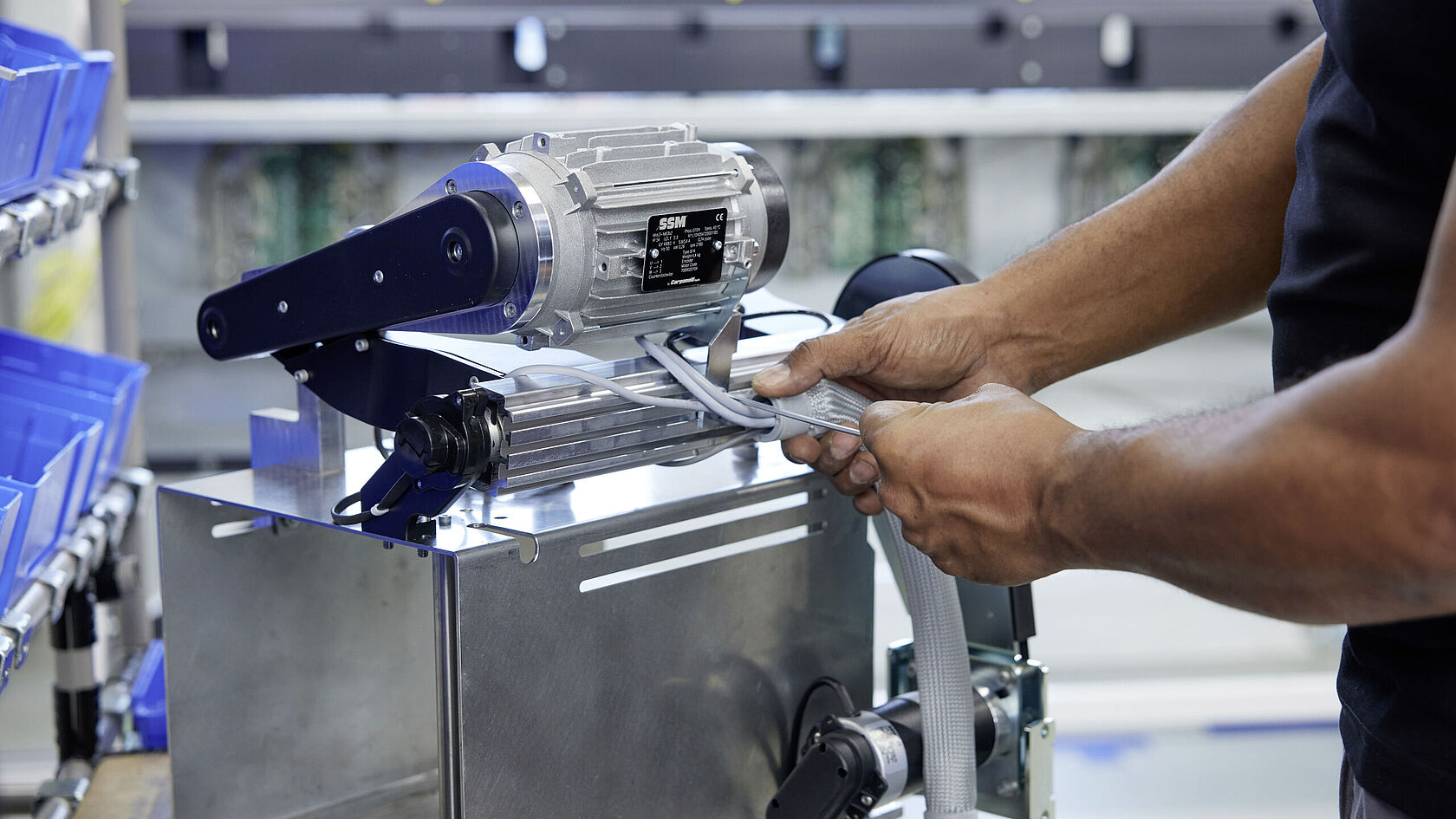
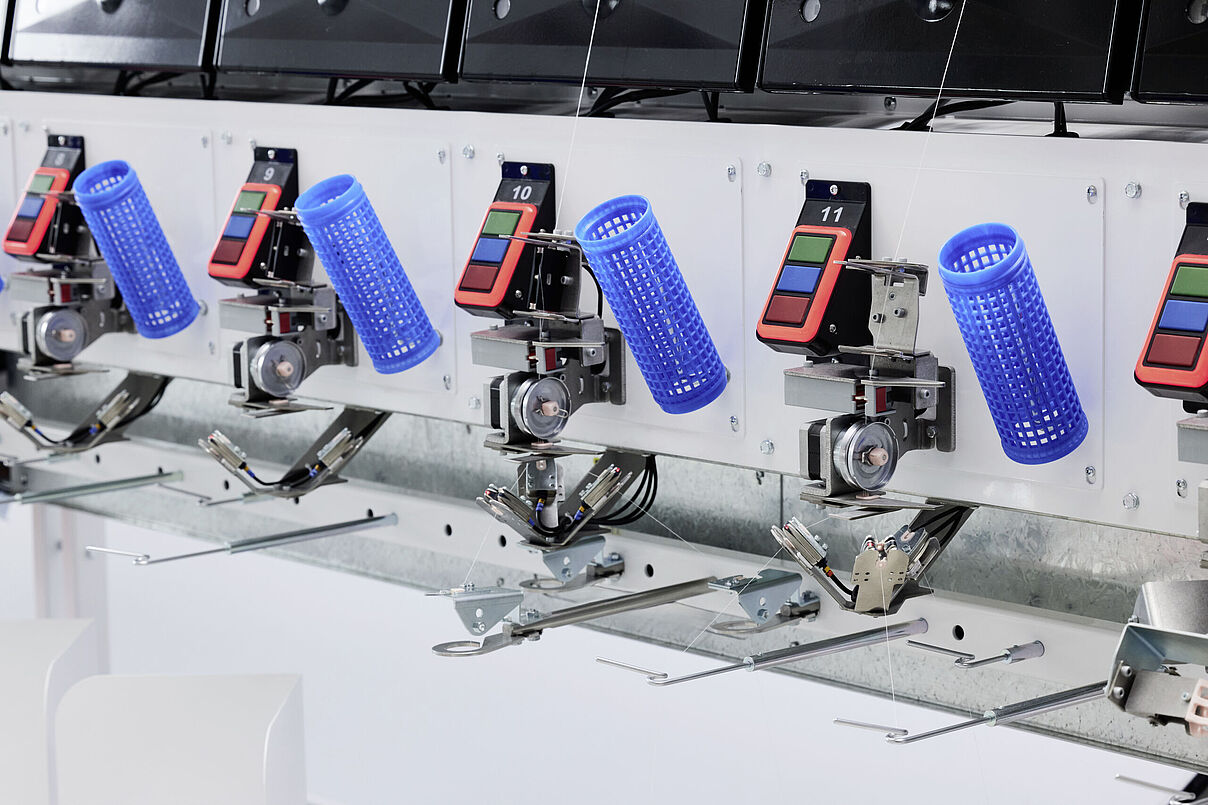
SSM develops and manufactures precision winding machines for the textile industry, particularly for dyeing, weaving, and sewing thread preparation, as well as for individual segments of filament yarn processing. The long-established company, headquartered in Wädenswil (Switzerland), was founded in 1894 and employs around 250 people. In addition to its Swiss plant, SSM also has production facilities in Italy and China.
Challenges
For many years, SSM has been managing its processes with PSIpenta/ERP and MES – a stable basis for meeting new challenges time and again, such as increasing product variety, coordination between time zones, or different production conditions at the various locations. The migration to PSIpenta/ERP 10 and thus to the PSI Java platform provided an opportunity to create the technological basis for continuous further development and to meet the growing requirements for data quality, transparency, and system integration in the future.
Production features
- Manufacture of precision winding machines in Switzerland, Italy, and China
- High variety
- Central master data and order management
Objectives
The aim of migrating to version 10 was to transfer the proven, cross-location system landscape to a modern, stable platform, thereby moving closer to the ERP standard again. The goal was to standardize processes, reduce individual adjustments, and at the same time maintain the flexibility to map specific processes within the standard on a model basis.
The most important goals
- Harmonization of processes across three production sites
- Replacement of individual VBA programming with standard functions or, where necessary, with standard-compliant, updatable Groovy scripts
- Simplification of maintenance and updates through centralized control
- Strengthening the system architecture for future expansions
Solution approach
The migration to PSIpenta/ERP 10 marked SSM's switch to the PSI Java platform—and thus the move to a future-proof, flexible system architecture. The new version enables regular rolling releases and offers flexible customization within the standard via Groovy scripts and the Workflow Developer.
Implementation
SSM managed the transition without disrupting ongoing operations. The key to success was structured preparation with clearly defined test phases and close coordination between the departments.
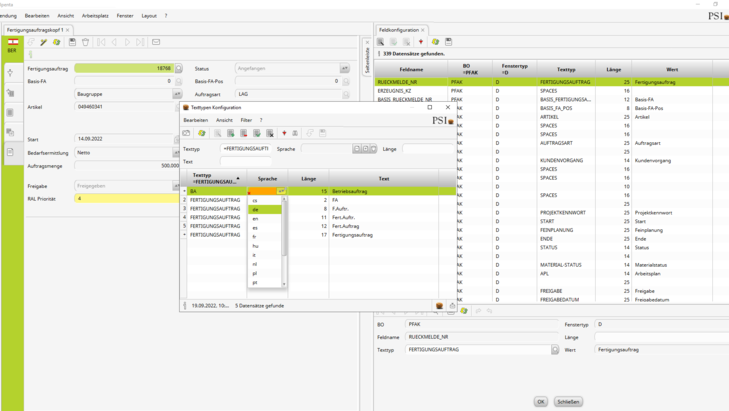
During the conversion, SSM reviewed all existing VBA programming. Many functions could now be mapped directly in the ERP standard, while others were reimplemented using updateable Groovy scripts. A total of 93 individual programs were replaced, simplified, and standardized. Instead of location-specific solutions, SSM now uses uniform processes for all plants. Twelve main programs that were previously maintained separately were centrally integrated into the system logic.
PSIpenta/Multisite is used to centrally maintain master data, parts lists, and order information and synchronize it for all plants. This means that every plant works with the same data sets, eliminating redundant entries and allowing processes to be precisely coordinated.
Result: Greater clarity, less effort
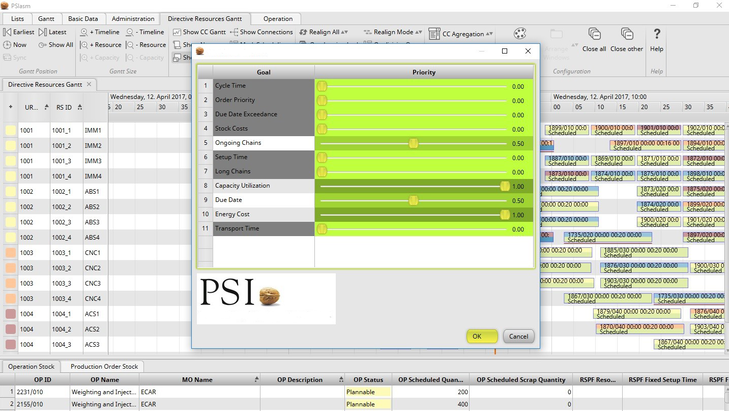
The migration to PSIpenta/ERP 10 and thus to the new PSI platform has provided SSM with a future-proof system architecture. Settings can now be maintained centrally, information can be found more quickly, and processes can be controlled even more easily across plants and countries. Consistent reversion to the ERP standard reduces maintenance effort while increasing transparency across all locations. Adjustments take effect immediately throughout the system, saving time and reducing sources of error.
Conclusion
With PSIpenta/ERP and MES, SSM has a digital foundation that provides optimal support for international manufacturing. The consistent system standard, multisite integration, and modern Java platform not only ensure daily production stability, but also the future viability of the company—across national borders and time zones.