
Warehouse automation has become a strategic priority for many logistics companies. Growing product portfolios, shorter delivery windows, and increasingly dynamic order profiles require warehouse operations that are faster, more flexible, and more efficient than ever before. At the same time, rising operating costs and persistent labour shortages continue to put pressure on logistics providers.
Automation offers a clear answer - but technology alone is not enough. Many automation projects fail to deliver their expected return because individual systems operate as isolated "automation silos." The real value of automation lies in connecting technology, software, and people through a central Warehouse Management System (WMS). Acting as the warehouse's digital brain, a vendor-independent WMS such as PSIwms synchronizes every process and ensures all systems work together as one intelligent operation.
Why warehouse automation requires more than hardware
Successful warehouse automation depends on the seamless interaction of three core systems. At the highest level, the Warehouse Management System (WMS) manages business logic and operational planning. It determines which logistics tasks need to be executed, when they should happen, and how warehouse resources should be used most efficiently. The Material Flow Controller (MFC) translates these decisions into real-time transport orders. It coordinates the flow of materials throughout the warehouse and communicates directly with automated equipment. Finally, the Warehouse Control System (WCS) executes the physical movements by controlling conveyors, shuttle systems, stacker cranes, and other automation technologies. Only when these three layers work together can warehouses achieve maximum efficiency, transparency, and operational flexibility.
The four stages of automation
Warehouse automation is not an all-or-nothing investment. Most operations evolve gradually through four stages of technological maturity.
- Manual: Warehouse processes rely primarily on forklifts, handheld scanners, paper documentation, or spreadsheets. Productivity depends heavily on manual labour.
- System-supported: A Warehouse Management System provides digital process control while supporting basic automation technologies such as conveyors or sorters.
- Mechanized: Advanced automation systems - including AS/RS, shuttle warehouses, and sophisticated transport equipment - are introduced. However, the full optimization potential often remains untapped because the WMS is not yet deeply integrated.
- Intelligent: Warehouse Management Systems, Material Flow Controllers, and Warehouse Control Systems operate as one integrated platform. Artificial intelligence, autonomous mobile robots, and real-time optimization continuously improve warehouse performance and responsiveness.
Proven in practice
Successful automation is measured by operational performance - not by the number of machines installed. Two PSI customer projects demonstrate how integrated warehouse management delivers measurable business value.
Case Study Empik: Modernization without operational downtime
Poland's leading e-commerce retailer modernized its logistics operation by introducing shuttle technology, sorting systems, and put-to-light solutions from multiple vendors. The standout achievement was the migration from the legacy warehouse management system to PSIwms - completed without interrupting operations in the central distribution centre.
Learn more in the Empik Case Study.

Case Study ASMET: Connecting people and automation
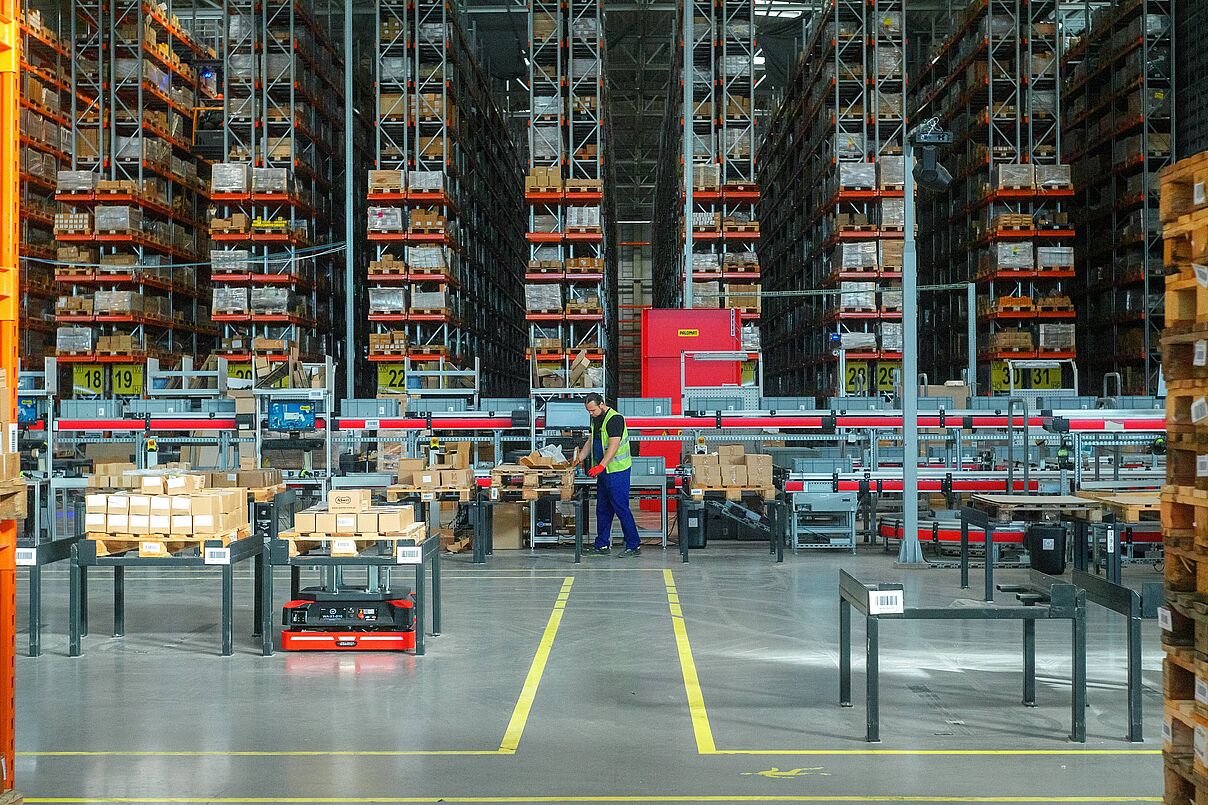
Fastener specialist ASMET combined an automated shuttle warehouse with 80,000 storage locations, automated guided vehicles, and manual warehouse processes using PSIwms with an integrated Material Flow Controller. The result was a highly synchronized warehouse operation that significantly improved efficiency while maintaining operational flexibility.
Learn more in the ASMET Case Study.
Avoiding costly automation mistakes: the investor checklist
Building an automated warehouse is a strategic investment - but one that requires careful planning. Many automation projects fall short of expectations because key decisions are made too early or without considering the warehouse as one integrated system.
Our white paper includes a practical investor checklist that helps you avoid the most common pitfalls. You'll learn how to:
- Develop a holistic automation strategy by aligning software, hardware, and warehouse processes from the outset.
- Avoid integration challenges by ensuring automation technologies work seamlessly with your Warehouse Management System rather than creating isolated system silos.
- Reduce implementation risks through comprehensive performance testing before go-live.
- Build for long-term growth by defining meaningful KPIs and designing a warehouse architecture that remains flexible and scalable.
The white paper provides practical recommendations, proven best practices, and a structured checklist to help you maximize the return on your automation investment from day one.
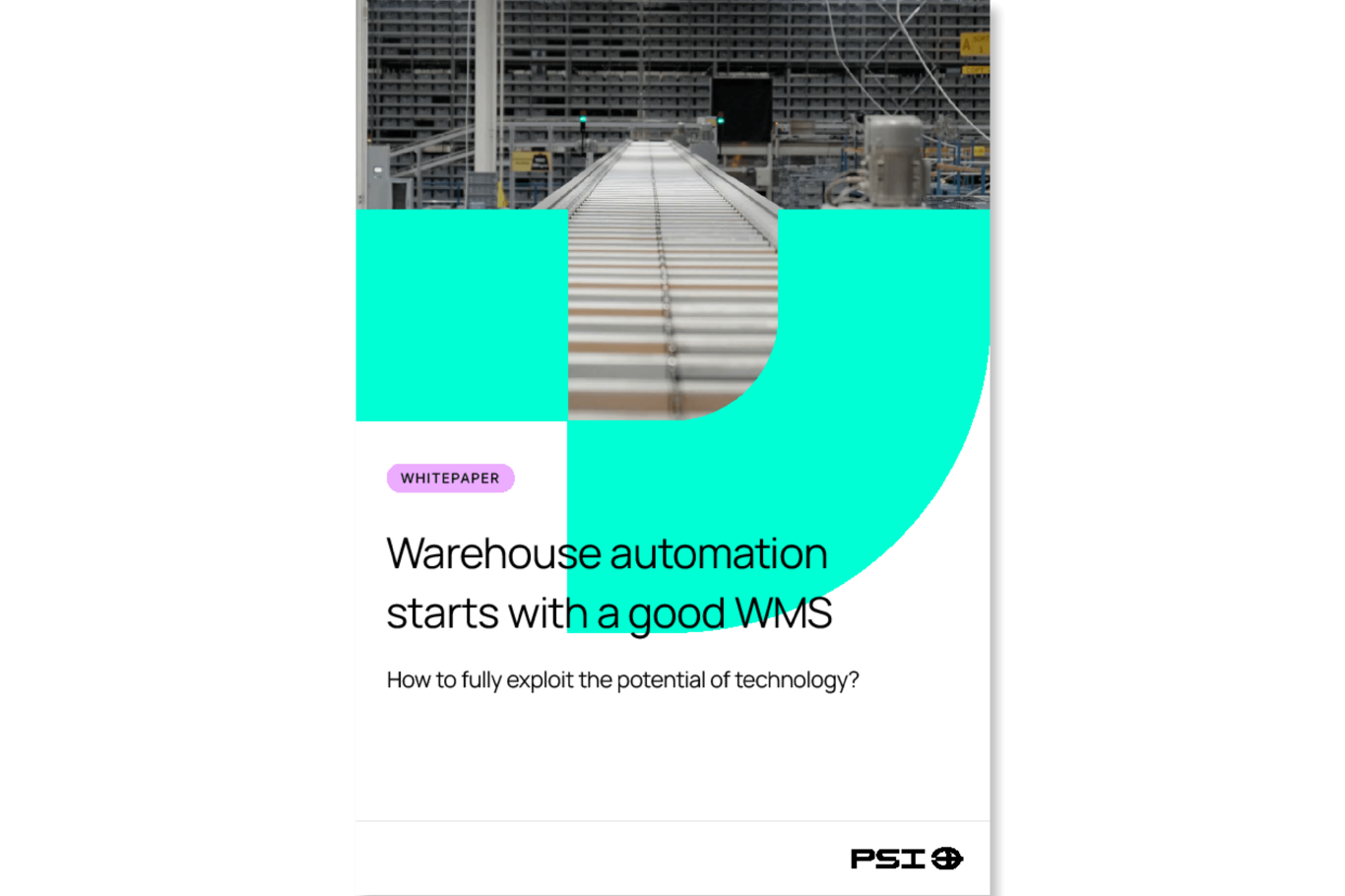
Warehouse automation: efficient & future-proof
Discover how to unlock the full potential of your warehouse automation by connecting technology, software, and processes through an integrated Warehouse Management System. Our white paper explains how to avoid costly automation silos and build a scalable, future-ready intralogistics operation.
Conclusion
Warehouse automation is about much more than installing new technology. Long-term success depends on how well automation systems, software, and people work together. A modern Warehouse Management System provides the intelligence needed to orchestrate every warehouse process, integrate diverse automation technologies, and create a connected logistics environment that can adapt as business requirements evolve. With the right WMS at its core, warehouse automation becomes more than a technology project - it becomes a strategic investment in operational excellence, long-term scalability, and sustainable return on investment.